The 3 “Alphabets” to Rule Them All
Written Japanese is made up of two syllabaries that represent the sounds of the language and one more system of writing—called kanji—that represents sound and/or meaning. These three writing systems come together to form full sentences. Below, you will find a more thorough explanation of each of these three systems. Don’t worry, it’s not as awful as it sounds.
The Three Writing Systems
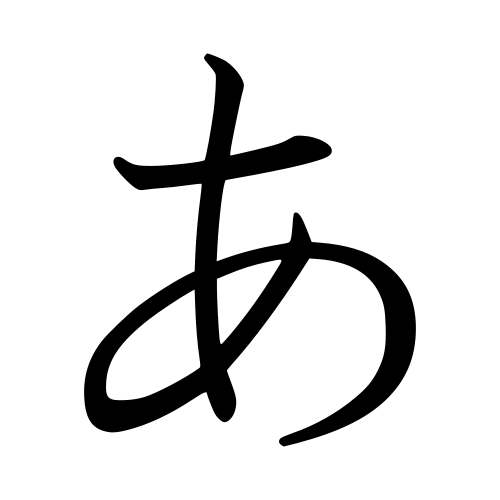
Hiragana is the cute, rounded system of writing you’ll be learning first on Katsukats. Hiraganas main duty is to supply grammatical function and to provide words not covered by kanji.
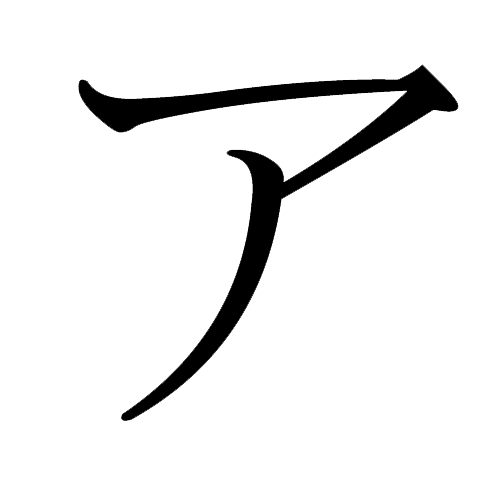
Katakana is the second writing system in Japanese. It’s less common than hiragana, but that’s because its main function is to write out loan-words and foreign names.
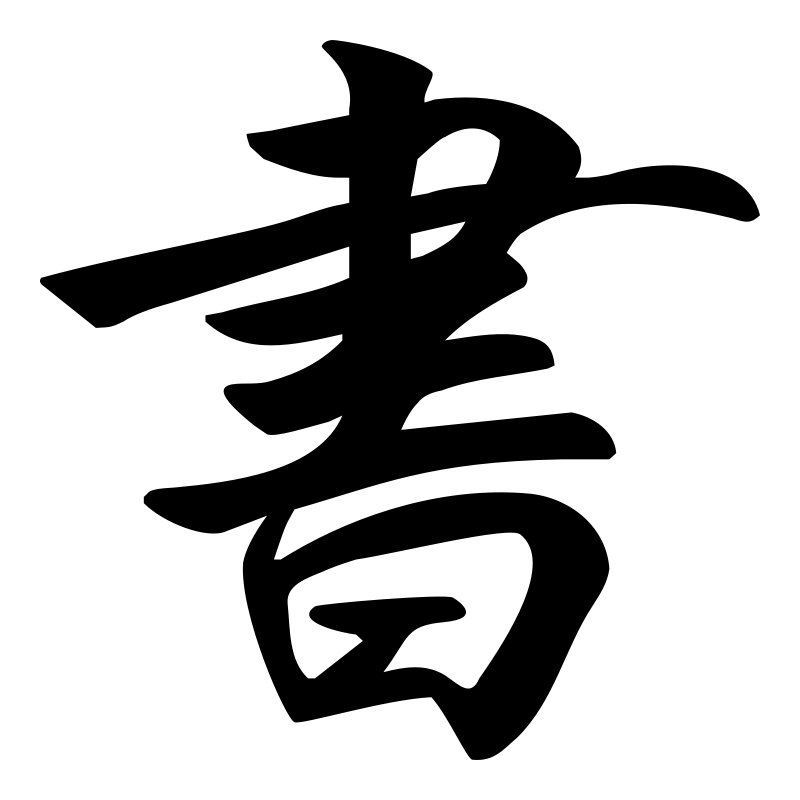
The final writing system in Japanese is kanji. There are 3,000+ kanji generally used to represent nouns or the stems of verbs and adjectives.
Here It Is, In Plain Japanese:
If that was a little bit confusing to follow, here’s a colorized example showing the different symbols used in a standard sentence. The meaning of the sentence or the ability to read it is very unimportant right now, just sit back and enjoy looking at the pretty symbols and know that they’re from different symbol families.
Example:
| 「メロンを食べます。」 |
Side Note: If you’re curious, the sentence says “I eat melon.”
In red, you can see katakana displaying the word “melon” (a loan-word from English). Beside that in green, you can see a particle written in hiragana acting as grammatical glue. And taking up the rear, a single kanji acting as the verb stem to the hiragana at the end of the sentence, these together form a verb and its conjugation. When all these parts come together, you end up with a beautiful Japanese sentence!
BEFORE MOVING ON…
…All you need to understand before moving on is that Japanese is written using three different scripts and to have a vague idea of what each of them is for. Focus will be heavily on hiragana at the start. Because of this, you may want to read the explanation of hiragana one more time to really nail it down in your head before moving on.
 カツ猫 Katsukats